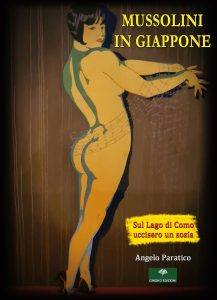
Der Plan, Benito Mussolini nach Japan zu bringen


Dieses Buch wurde bei der Verleihung des Lord-Byron-Preises in Lerici (Ligurien) anlässlich des 200 todestages des großen englischen Dichters ausgezeichnet.


Angelo Paratico, Historiker und Romanautor, präsentiert sein neues Buch mit dem Titel „Mussolini in Japan“, das bei Gingko Edizioni erschienen ist. Es handelt sich um einen kurzen Roman, der zahlreiche historische Bezüge enthält. Zum ersten Mal wird die Möglichkeit angesprochen, dass der Mann, der am 28. April 1945 in Giulino di Mezzegra getötet wurde, nicht Benito Mussolini war, sondern ein Doppelgänger.

Dies würde das widersprüchliche Verhalten in seinen letzten Tagen und all die Rätsel erklären, die die Umstände seines Todes noch immer umgeben. Seine Unentschlossenheit bei seinen Entscheidungen nach Como scheint unerklärlich, ebenso wie die Tatsache, dass sein Gesicht bei seiner Ankunft am Piazzale Loreto entstellt war. Und es ist nicht klar, warum er heimlich erschossen und nicht zum nur wenige Kilometer entfernten Seeufer von Dongo gebracht wurde, um dort zusammen mit den anderen Hierarchen und einem unglücklichen Anhalter öffentlich hingerichtet zu werden.

Am 25. April 1945 hatte Mussolini in Mailand mehrere Möglichkeiten, sich zu retten, aber er wollte sie nicht nutzen. Zunächst schloss er sich im Castello Sforzesco ein und wartete auf die Ankunft der Alliierten. Die Partisanen hatten keine schweren Waffen und wären nicht in der Lage gewesen, es einzunehmen. Ein weiterer Fluchtweg, der von Vittorio Mussolini favorisiert wurde, war die Flucht zum Flughafen Ghedi, um dort ein SM79 zu besteigen, das ihn nach Spanien bringen sollte. Entgegen der landläufigen Meinung kam die Schweiz nicht in Frage, da Mussolini wusste, dass man ihn dort niemals durchlassen würde.

Es gab einen anderen Fluchtweg, der weitaus komplexer war und für den absolute Geheimhaltung eine absolute Voraussetzung war. Dazu gehörte der Einsatz eines U-Bootes. Dieser Plan war von Enzo Grossi (1908-1960) ausgearbeitet worden, einem hochqualifizierten und hochdekorierten U-Boot-Fahrer, der für die Betasom-Basis in Frankreich verantwortlich war. Kommandant Grossi selbst erwähnte diese Vorbereitungen in seinen Memoiren mit dem Titel „Dal Barbarigo a Dongo“, die heute nicht mehr erhältlich sind. Grossi war ein mutiger Mann der See, der jung starb, verbittert darüber, dass er fälschlicherweise beschuldigt wurde, die Unterlagen gefälscht zu haben, um zwei Goldmedaillen, eine Silbermedaille und zwei deutsche Kriegsverdienstkreuze zu erhalten, indem er über den Untergang von zwei amerikanischen Schlachtschiffen mit dem U-Boot Barbarigo log, das er am 20. Mai 1942 vor der brasilianischen Küste kommandierte.

Nach dem Krieg wurde sein Fall von einem Admiralausschuss untersucht, der ihn des Betrugs beschuldigte, dabei aber die unterschiedlichen Zeitzonen nicht berücksichtigte. Wie Antonino Trizzino in seinem 1952 veröffentlichten Buch „Schiffe und Sessel“ nachwies, versenkte Grossi zwei große feindliche Schiffe, aber es waren nicht die, für die er sie gehalten hatte. Durch das Periskop eines U-Boots, mitten in einer riskanten Operation und bei rauer See, sind alle Schiffe schwer zu identifizieren.

Durch ein Dekret des Präsidenten der Republik wurden ihm seine Medaillen aberkannt. Er protestierte vehement und wurde im Oktober 1954 wegen „Beleidigung des Staatsoberhaupts“ auf der Grundlage eines Briefes, den er an den Präsidenten geschrieben hatte, zu 5 Monaten und 10 Tagen Gefängnis verurteilt. Grossi war in die RSI involviert, obwohl er nie aus der faschistischen Partei ausgetreten war und mit einer jüdischen Frau verheiratet war, die ihre Religion weiterhin praktizierte. Er konnte sie gerade noch der SS entreißen, die sie freiließ und ihr erlaubte, zu ihren Kindern nach Hause zurückzukehren.

In Kapitel XI seines Buches mit dem Titel „Ein U-Boot für Mussolini“ berichtet Grossi, dass Tullio Tamburini ihm offenbarte, er habe mit den japanischen Verbündeten eine Vereinbarung getroffen, ein großes U-Boot für die Rettung vorzubereiten, das er nach seinen Plänen kommandieren und in den Pazifik bringen würde. Tamburini erzählte Mussolini von diesem Plan, aber dieser antwortete, dass er nichts damit zu tun haben wolle. Dies wurde von Mussolini selbst bestätigt, als er Grossi im Februar 1945 traf und ihm für seine Bemühungen dankte. Dann fügte er hinzu: „Ich bin nicht daran interessiert, wie ein gewöhnlicher Mensch zu leben. Ich sehe, dass mein Stern untergeht und meine Mission beendet ist …“

Die Existenz dieser Pläne wurde auch vom stellvertretenden Sekretär der Republikanischen Faschistischen Partei und ehemaligen Bundesminister von Verona, Antonio Bonino, in seinen Memoiren mit dem Titel „Mussolini erzählte mir“ bestätigt, die 1950 in Argentinien veröffentlicht wurden.

Das ist anscheinend alles, was darüber bekannt ist, aber laut Paratico entwickelte sich der Mechanismus unabhängig vom Willen der Schöpfer weiter und wurde angepasst, indem das Kommando über das ozeanische U-Boot Luigi Torelli einem Deutschen anvertraut wurde. So wurde Mussolini am frühen Nachmittag des 25. April 1945 von einem Auto abgeholt, das von einem japanischen Diplomaten gefahren wurde, der ihn nach Triest brachte, wo er an Bord des U-Boots Torelli ging, das nach seiner Rückkehr aus Japan im Hafen auf ihn wartete. Es wurde im September 1945 von den Amerikanern vor der Bucht von Tokio versenkt.

Wenn man die alternative Geschichte beiseitelässt und sich dem Roman zuwendet, muss ich sagen, dass sich dieses Buch gut liest und mich an ein anderes Buch mit einem ähnlichen Thema und ähnlichem Verlauf erinnert hat, das ich vor einigen Jahren gelesen habe. Der Autor war der große belgische Schriftsteller und Sinologe Simon Leys (Pierre Ryckmans), und der Titel lautete „Der Tod Napoleons“. Leys stellte sich vor, wie Napoleon, der auf St. Helena inhaftiert ist, durch einen Doppelgänger ersetzt wird und inkognito nach Frankreich zurückkehrt. Nach verschiedenen Wechselfällen wird Napoleon gezwungen, das Leben eines „gewöhnlichen Mannes“ zu führen, und teilt sich ein Bett mit einer Pariser Ortolana. In der Zwischenzeit schmiedet er zwischen Kohlköpfen und Gemüse heimlich Rachepläne, erkrankt jedoch und stirbt. Alle, die sich mit dem Napoleon-Epos befasst haben, sind von dieser bizarren Fantasie von Leys beeindruckt, die dieser großen Persönlichkeit eine neue Facette, einen Denkanstoß hinzufügt.

Der von dem Autor beschriebene Mussolini ist von Trauer und Schuldgefühlen gezeichnet und weint häufig. Wenn er an seine Jugend als Anarchist und mittelloser Sozialist zurückdenkt, denkt er, dass er als Partisan in die Berge hätte gehen und dann gegen die einfallenden Deutschen hätte kämpfen sollen, anstatt sich ihnen anzuschließen. Sein Leid und sein Bedauern werden nur teilweise in den Mauern eines alten buddhistischen Tempels in Nikko gelindert.

Die Idee des Autors ist äußerst originell und wurde noch nie zuvor erforscht. Und mit diesem schmalen Buch beweist er, dass er nicht nur über ein tiefes Wissen über den Menschen verfügt, sondern auch über den Menschen selbst.
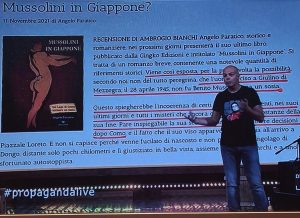
Un recensione sul Corriere della Sera dedicata al mio libro Mussolini in Giappone


MUSSOLINI IN GIAPPONE

di Ambrogio Bianchi


Angelo Paratico, storico e romanziere, presenta il suo nuovo libro, pubblicato dalla Gingko Edizioni e intitolato “Mussolini in Giappone”. Si tratta di un romanzo breve, contenente una notevole quantità di riferimenti storici. Viene così esposta, per la prima volta la possibilità che l’uomo ucciso a Giulino di Mezzegra, il 28 aprile 1945, non fu Benito Mussolini, ma un sosia.

Questo spiegherebbe l’incoerenza di certi suoi comportamenti, nei suoi ultimi giorni e tutti i misteri che ancora circondano le circostanze della sua fine. Pare inspiegabile la sua scarsa lucidità nel prendere decisioni dopo Como, e il fatto che il suo viso apparve sfigurato già all’arrivo a Piazzale Loreto. E non si capisce perché venne fucilato di nascosto e non portato sul lungolago di Dongo, distante solo pochi chilometri e lì giustiziato, in bella vista, assieme agli altri gerarchi e a uno sfortunato autostoppista.

A Milano, il 25 aprile 1945, Mussolini ebbe varie opportunità per mettersi in salvo, ma non volle coglierle. Prima fra tutte quella di chiudersi nel Castello Sforzesco e attendere l’arrivo degli Alleati. I partigiani non disponevano di armi pesanti e non sarebbero mai riusciti a espugnarlo. Un’altra via di fuga, caldeggiata da Vittorio Mussolini, fu una corsa sino all’aeroporto di Ghedi, per salire su di un SM79 che lo avrebbe portato in Spagna. La Svizzera, contrariamente a ciò che si crede, non fu mai un’opzione, Mussolini sapeva che non lo avrebbero mai lasciato passare.

Sul tavolo stava anche un’altra via di fuga, assai più complessa e per la quale la segretezza più assoluta era una condizione indispensabile. Questa prevedeva l’utilizzo di un sommergibile. Tale piano era stato approntato da Enzo Grossi (1908 -1960), un abilissimo e pluridecorato sommergibilista, che in Francia era stato a capo della base di Betasom. A tali preparativi accennò lo stesso comandante Grossi nelle sue memorie, ormai introvabili, intitolate “Dal Barbarigo a Dongo”. Grossi fu un coraggioso uomo di mare che morì giovane, consumato dall’amarezza per essere stato ingiustamente accusato di aver imbrogliato le carte in cambio di due medaglie d’oro, una d’argento e due croci di guerra tedesche, mentendo sull’affondamento di due corazzate americane, con il sommergibile Barbarigo da lui comandato, il 20 maggio 1942, al largo delle coste brasiliane.

Una commissione di ammiragli, dopo la guerra, discusse il suo caso, accusandolo di frode ma dimenticando di tenere conto dei diversi fusi orari. Come dimostrò Antonino Trizzino nel suo libro “Navi e poltrone” uscito nel 1952, Grossi affondò due grandi navi nemiche, ma non erano quelle che lui pensava. Viste dal periscopio d’un sommergibile, nel mezzo di una rischiosa azione e con il mare mosso, tutte le navi sono di difficile identificazione.

Un decreto del Presidente della Repubblica lo privò delle sue decorazioni. Lui protestò con veemenza e, nell’ottobre del 1954, a causa di una sua lettera indirizzata al Presidente, fu condannato a 5 mesi e 10 giorni di reclusione per ‘vilipendio del capo dello Stato’. Grossi aveva militato nella RSI, pur non avendo mai accettato la tessera del partito fascista ed era sposato con una donna ebrea, che non smise di praticare la propria religione. Riuscì a stento a sottrarla alle SS, che la rilasciarono, permettendole di tornare a casa dai loro bambini.

Nel capitolo XI del suo libro, intitolato “Un sommergibile per Mussolini”, Grossi racconta che Tullio Tamburini gli rivelò di essersi accordato con gli alleati giapponesi per approntare un grosso sommergibile, al fine di metterlo in salvo, e nei suoi piani sarebbe stato lui a comandarlo, portandolo nel Pacifico. Tamburini accennò a Mussolini di quel piano, ma gli rispose che non ne voleva sapere. Questo fu confermato da Mussolini stesso quando incontrò Grossi, nel febbraio 1945 e lo ringraziò per i suoi sforzi. Poi aggiunse: “Non sono interessato a vivere come un uomo qualunque. Vedo che la mia stella è al tramonto e che la mia missione è conclusa…”.

L’esistenza di questi piani fu confermata anche dal vicesegretario del Partito fascista repubblicano ed ex federale di Verona, Antonio Bonino, nelle sue memorie, intitolate “Mussolini mi ha detto” uscito in Argentina nel 1950.

Questo è apparentemente tutto quanto se ne sa, ma secondo Paratico, il meccanismo continuò a muoversi, indipendentemente dalla volontà degli ideatori e fu adattato, affidando il comando del sommergibile oceanico Luigi Torelli a un tedesco. Dunque, Mussolini, nel primo pomeriggio del 25 aprile 1945, fu prelevato da un’auto guidata da un diplomatico giapponese che lo portò a Trieste, dove s’imbarcò sul sommergibile Torelli, che lo attendeva nel porto, dopo che era stato fatto rientrare dal Giappone, dove si trovava e dove effettivamente ritornò. Fu affondato dagli americani nel settembre 1945, davanti alla baia di Tokyo.

Mettendo da parte la storia alternativa e passando al romanzo, debbo dire che questo libro si legge bene e me ne ha ricordato un altro, avente un tema e uno sviluppo simile, che lessi alcuni anni fa. L’autore fu il grande scrittore e sinologo belga, Simon Leys (Pierre Ryckmans), ed era intitolato: “La morte di Napoleone”. Il Leys immaginava la sostituzione con un sosia al Napoleone confinato a Sant’Elena e un suo ritorno, in incognito, in Francia. Dopo varie peripezie, Napoleone è costretto a una vita da “uomo qualunque” dividendo il letto con una ortolana parigina. E, intanto, fra i cavoli e gli ortaggi, lavorava segretamente per compiere le sue vendette, ma poi s’ammalò e poi morì. Tutti coloro che hanno studiano l’epopea napoleonica restano colpiti da questa bizzarra fantasia del Leys, che aggiunge una nuova sfaccettatura, un punto di meditazione, a quel grande personaggio. Il regista Alan Taylor nel 2001 ne trasse un bel film intitolato “I vestiti nuovi dell’Imperatore”.

Il Mussolini che l’autore descrive è segnato dal lutto e dai sensi di colpa, ha frequenti crisi di pianto. Ripensando alla sua giovinezza da anarchico e squattrinato socialista, pensa che avrebbe dovuto salire sulle montagne come partigiano e poi lottare contro al tedesco invasore, invece di assecondarlo. La sua sofferenza e i suoi rimpianti vengono solo parzialmente leniti fra le mura di un antico tempio buddista, a Nikko.

L’idea dell’autore è assai originale e mai prima esplorata. E con questo scarno libro mostra di possedere una profonda conoscenza non solo di quell’uomo, ma anche dell’uomo.


Ambrogio Bianchi


Lasciate perdere “Mussolini il Capobanda” di Cazzullo e “Gli Ultimi Giorni dell’Europa” di Scurati. Leggete “Mussolini in Giappone” di Angelo Paratico

di Ambrogio Bianchi

L’ennesima comparsata televisiva di Aldo Cazzullo per lanciare il suo insipido libro intitolato: “Mussolini il Capobanda” m’indigna al punto da scrivere ciò che qui scrivo. L’ho sfogliato e ne ho letto alcuni capitoli e mi è parso intriso di luoghi comuni, di banalità e di fatti storici difficilmente verificabili. Si tratta di un Mussolini riportato al 2022 e che si scopre impresentabile, ma i Franklin Delano, i Winston, i Giuseppe (Stalin) erano così presentabili? Questo autore mi pare una sorta di Severgnini con il turbo!

Dell’ennesima fatica del compagno Scurati neppure voglio accennare. Pur avendo Mussolini le sue pesantissime colpe, vorrei suggerire allo Scurati d’occuparsi d’altro nella vita, invece di lasciar segni sulla carta bianca.

Ora un consiglio per i lettori. Avevo già recensito un libretto, davvero aureo, del mio grande amico, Angelo Paratico, intitolato “Mussolini in Giappone” pubblicato dalla Gingko Edizioni, e che è stato recentemente premiato alla I edizione del Premio Mameli, a Montecatini Terme.

Ecco, vorrei dire che il libro di Paratico vale più dei due precedenti messi insieme, perché tocca argomenti storici verificabili, e criticamente rimette in discussione la figura di Mussolini, a 100 anni dalla marcia su Roma, creando una narrazione colma di poesia e di emozioni profonde. Questo è ciò che dovrebbe fare un romanziere, e non usare il suo libro come un’arma contundente, per rovesciare i fatti e annoiare i lettori, come fanno il Cazzullo e lo Scurati.

Quanto avevo da dire sul libro di Paratico, lo trovate in un articolo da me scritto e che trovate su di un blog storico del Corriere della Sera:

Mussolini in Giappone? | La nostra storia (corriere.it)


Mussolini invase la Grecia per dare una mano a W. Churchill?


Il 3 luglio 1940 Mussolini stabilì che il grosso dell’esercito italiano dovesse schierarsi su posizioni che ne garantissero l’impiego contro alla Jugoslavia. Tre giorni dopo ordinò anche che si doveva preparare una offensiva contro alla Grecia, in caso di occupazione delle isole joniche da parte inglese. Questo spiega perché Mussolini non volle occupare una larga area del territorio francese, declinando l’offerta fattagli da Hitler, perché questo avrebbe bloccato almeno 10 divisioni italiane della 70 disponibili.

Il 28 ottobre 1940 l’Italia invase la Grecia, nel peggior periodo dell’anno. La Grecia era un paese retto dal dittatore folo fascista Giovanni Metaxas.  Mussolini non informò i tedeschi, che s’infuriarono. Il motivo addotto da Mussolini fu la sua intenzione di prevenire un’occupazione di quel Paese da parte delle forze britanniche. E del resto, il 12 ottobre 1940, Hitler aveva occupato la Romania, senza informare l’alleato italiano.

La nostra fu una mossa sbagliata e si è spesso cercato il vero motivo dietro a tale folle decisione, che finì per far precipitare le sorti della guerra, sia per gli italiani che per i tedeschi. Gli storici l’hanno spiegata con la gelosia di Mussolini per le conquiste di Hitler e il fatto che egli fosse trattato come un alleato di serie B.

Dunque, quella di Mussolini sarebbe stata solo una reazione nervosa, in risposta all’occupazione della Romania o c’era dell’altro? I generali italiani sapevano che attaccare la Grecia a fine ottobre fosse un madornale errore per via del tempo, inoltre erano a conoscenza dei preparativi militari fatti dai greci, che avrebbero reso difficile sconfiggerla.  Renzo de Felice scriveva anche dei timori nutriti da Mussolini che Hitler avrebbe concesso una onorevole tregua al governo britannico, escludendo l’Italia da tutti i possibili benefici.

Parlandone con Giorgio Carli, infaticabile organizzatore di eventi culturali a San Rocco di Quinzano, dopo la presentazione di un libro sulla Grecia scritto da Ennia Dall’Ora, ho pensato che ci potrebbe essere un’altra spiegazione. Una spiegazione mai prima presa in considerazione dagli storici ma che può essere messa in relazione con il misterioso carteggio segreto di Mussolini, fatto poi sparire dagli inglesi, dopo la sua cattura a Dongo.

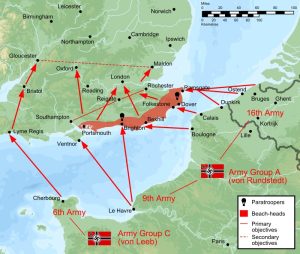
Si tratta del Blitz germanico su Londra per indurre la Gran Bretagna alla capitolazione e che si svolse dal 7 settembre 1940 sino al 11 maggio 1941. Il 15 settembre 1940 vi fu il più pesante attacco diurno dei tedeschi.

Chiamarono quelle operazioni di bombardamento Seeschlange (serpente marino) che doveva consistere in un pesante martellamento che avrebbe preceduto uno sbarco anfibio, che era programmato per il 17 ottobre 1941, noto come operazione Seelöwe (leone marino), ma che fu bloccata da Hitler e poi rimandata  indefinitamente, anche se molti sostengono che fu un bluff per mettere pressione sulla Gran Bretagna.

Winston Churchill era a conoscenza di questi piani e si aspettava l’arrivo dei carri armati germanici, contro ai quali avevano ben poco da opporre. Non a caso quando Churchill pronunciò un suo alato discorso in Parlamento, il 4 giugno 1940, noto come “Li combatteremo sulle spiagge” nel sedersi disse: “E con cosa li combatteremo? Con le bottiglie scheggiate delle nostre birre, perché queste sono le armi che possediamo”.

Il momento di affrontarli sulle spiagge si era fatto prossimo e avevano già programmato il trasferimento in Canada dell’oro della banca d’Inghilterra e del Governo .

Certamente esistevano ancora dei canali aperti fra Churchill e Mussolini ed è possibile che in quei momenti disperati Churchill abbia suggerito l’apertura di un secondo fronte, con l’attacco alla Grecia e con l’apertura del fronte balcanico, che avrebbe coinvolto i tedeschi. Questa è solo un’ipotesi, buona come tante altre, ma che potrebbe spiegare, almeno parzialmente, la mossa irragionevole fatta dal Duce. Forse, la presenza di una traccia di queste richieste britanniche stava nella borsa che Mussolini teneva in grembo stando seduto nell’autocarro fermato a Dongo.


LE ILLUSIONI DI STRESA E IL TRADIMENTO INGLESE

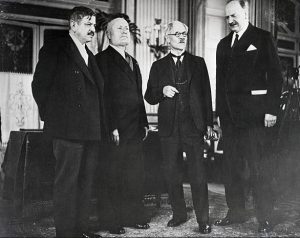
La mattina del 11 aprile 1935, Benito Mussolini sbarcava a Palazzo Borromeo, sull’Isola Bella, saltando giù da un idrovolante che lui stesso aveva pilotato. Lo attendevano i massimi rappresentanti politici di Gran Bretagna e Francia, mentre la Germania di Adolf Hitler non era stata invitata. Le discussioni terminarono tre giorni dopo con la firma di un accordo ritenuto molto importante, che creò quello che fu definito il ‘Fronte di Stresa’. In realtà i fatti successivi annullarono quelle speranze, che pure ebbero una risonanza mondiale e il cui fallimento, provocato dalla codardia della Gran Bretagna, portò diritto alla seconda guerra mondiale.

In Italia non sono mai stati pubblicati libri su questo tema, o dei saggi contenenti un’analisi storica spassionata di quegli effimeri accordi e dei loro tragici sviluppi. Eppure possiamo dire che quei giorni segnarono l’apogeo del prestigio e dell’Italia e di Benito Mussolini, più ancora che a Monaco nel 1938.

Le migliori analisi dedicate a questo intricato argomento sono dovute in Italia a Rosaria Quartararo, una brillante allieva di Renzo De Felice, e in Francia a Léon Noél, con il suo libro “Les Illusions de Stresa. L’Italie abandonée a Hitler” uscito nel 1975. La storiografia inglese è pressoché assente, forse perché non si sanno liberare dei loro complessi di superiorità, rafforzati dalla vittoria nella II Guerra Mondiale che si attribuiscono ma che in realtà andrebbe ascritta all’URSS in primis e agli Stati Uniti in secundis. Forse per questo motivo continuano a vedere nel Benito Mussolini diplomatico solo una sorta di clown.

Eppure quell’accordo fu definito dall’americano Pat Buchanan, nel suo “Churchill, Hitler and the Unnecessary War” come ‘il più importante tentativo fatto in Europa per fermare Adolf Hitler, prima dell’inizio della II Guerra mondiale’ e, addirittura, rincarando la dose, egli sottolinea che fu una follia, pochi mesi successivi, per la Gran Bretagna di aver votato contro l’Italia e applicato sanzioni punitive per l’invasione dell’Etiopia, spingendola nelle braccia di Hitler. La Francia invece accettò obtorto collo la sovranità italiana sull’Etiopia come uno scotto da pagare per mantenere unito il ‘Fronte di Stresa’: una ulteriore dimostrazione della sua importanza.

L’Italia e la Francia desideravano fortemente far fronte comune contro Hitler che, dopo che il 16 marzo 1935, aveva ripristinato la leva obbligatoria e dichiarato di voler creare una flotta aerea e di aumentare il numero di divisioni, stracciando gli accordi sottoscritti a Versailles con le nazioni uscite vincitrici dalla I Guerra Mondiale.

A Stresa Benito Mussolini pose sul tavolo vari argomenti, anche se la necessità di evitare l’Anschluss dell’Austria, che egli presagiva, fu quello centrale. Egli esordì mostrando di conoscere bene la situazione a Vienna, dicendo ai rappresentanti della Gran Bretagna, Ramsay MacDonald e John Simon, e a quelli francesi, Pierre Laval e Pierre-Etienne Flandin, che l’istituzione della leva obbligatoria in Austria avrebbe voluto dire la fine della sua neutralità, dato che i giovani austriaci erano tutti filo-nazisti.

Mussolini non voleva la Germania al Brennero e auspicava che l’Austria restasse una nazione cuscinetto, inoltre desiderava avere un avallo che gli consentisse l’occupazione dell’Etiopia, per vendicare l’onta di Adua del 1896. Non si parlò esplicitamente dell’invasione dell’Etiopia, ma Mussolini fece delle chiarissime allusioni, facendo capire che in cambio di quelle terre egli avrebbe sostenuto le altre potenze europee contro alla Germania nazista. Nessuno eccepì o lo avvertì di non azzardarsi a farlo. Se lo avessero fatto, dubitiamo che Mussolini avrebbe mosso l’esercito e, come ebbe poi a dire lo stesso primo ministro francese, Pierre-Etienne Flandin, se la Gran Bretagna fosse stata chiara non avrebbero inflitto poi una cocente umiliazione a Mussolini, ‘perché i dittatori non accettano umiliazioni’.

Prova della propensione a un compromesso da parte di Mussolini fu il fatto che egli si mostrò disposto ad accettare il piano Hoare-Laval, che prevedeva solo una parziale occupazione italiana dell’Etiopia, prima che una soffiata lo rendesse pubblico, provocando indignazione in tutta Europa. Dunque la Gran Bretagna, il Paese con più colonie al mondo, votò per le sanzioni all’Italia che attaccava l’Etiopia.

Come poi ebbe a dire il sottosegretario permanente al Foreign Office, Vansittart: ‘Con questo fiasco perdemmo l’Abissinia, perdemmo l’Austria, creammo l’Asse, e rendemmo inevitabile la guerra contro la Germania.’

La Gran Bretagna mantenne un comportamento assai ambiguo in quegli anni, credendo di poter addomesticare Hitler, la cui natura sanguinaria e i cui fini Mussolini, invece, conosceva benissimo e, subito dopo Stresa, cedettero alle lusinghe naziste firmando, il 18 giugno 1935, un accordo navale, senza informare Francia e Italia, secondo il quale posero in proporzione diretta Germania e Gran Bretagna per numero e tonnellaggio in navi da guerra, di fatto rinnegando sia gli accordi di Stresa che quelli di Versailles.

Benito Mussolini s’infuriò ma, purtroppo per lui e per l’Italia, si convinse che Hitler non poteva più essere fermato e che, pertanto, la tigre andava cavalcata.


Klaus von Stauffenberg and the liberation of Italian soldiers in Germany

Some unexpected results, hitherto unknown, of the failed attempt on the life of Adolf Hitler made by Klaus von Stauffenberg on 20 July 1944 have recently emerged. We are speaking of the liberation of close to 600.000 Italian prisoners from Nazi concentration camps with their status upgraded from “traitors” to “betrayed”. That was essentially due to the unrelenting action of Benito Mussolini, worried about the fate of thousands of Italian soldiers and officers kept in Germany, since the Badoglio Government – acting on orders issued by King Vittorio Emanuele III – on the 8th of September 1943 switched side, entering the war against Germany, on the side of the Allies.
Such an act, seen as a treachery by Adolf Hitler, led to the German invasion of Italy and to the creation of a new government headed by Mussolini, based in the North of Italy, which was named the Italian Social Republic, or R.S.I.

Il Duce tried repeatedly to use his influence on Hitler to obtain humane treatment for all the Italians in German Lagers but to no avail. Then he tried to discuss this matter during a meeting with Hitler at Klessheim, on 22-23 April 1944 but Hitler exploded with rage, refusing to discuss that matter. He had previously claimed that Italy would be treated worse than Poland…

The positive role played by Mussolini in this matter was already known in Italy, but only within academic circles and no serious discussion or research was ever attempted, because that would have been equivalent to endorse the R.S.I. a thing which, according to the Vulgata of the Resistance was unacceptable.
Things have changed since new documents, found in Italian and German archives, were made available.

It all begun on 18 November 2008, at the San Sabba concentration camp in Italy, when the then Foreign Affairs Minister of Italy, Franco Frattini and his German counterpart, Walter Steinmeier, agreed to the setting up of a special commission to investigate the fate of Italian prisoners in Germany during WWII.

The commission, made up of historians, like Gabriele Hammermann e Wolfgang Schieder, reached its conclusion in July 2012.
The results demonstrated that, from 20 July 1944 onward all Italian prisoners in Germany had received a better treatment, being considered equal in status of foreign workers and thus enjoying medical care, pension and payment of a salary. The Italian side of that commission, apparently, did not operate properly and, if they had have done it, historian Paolo Simoncelli claims, the results would have been astounding.

The status of 600.000 Italian prisoners, scattered in 66 different concentration camps, changed after the last meeting between Mussolini and Hitler, immediately after the bomb set up at Wolfsschanze by Stauffenberg, failed to kill the German dictator. On the same day, when Hitler went to the railway station to welcome Mussolini and a delegation of Italian ministers, he was still in shock, having been slightly wounded by the explosion. Thanks to notes and telegrams recently investigated, we know what happened: Mussolini took that opportunity to table again the discussion about the fate of the Italian prisoners and, surprisingly, Hitler accepted without discussion. Clearly he had more pressing matters in his mind at that point.

In August 1944 at the camp of Wittenau, Stalag D, in Berlin, an official ceremony was held to mark the destruction of walls and barbed-wires fences surrounding the 2000 Italians kept there. The undersecretary of Foreign Affairs, Serafino Mazzolini, of the R.S.I. Republic gave a speech on that occasion. The same opening process went on in other camps during the following months. Ten of thousands remained behind in Germany to work as farmers or in factories and, at the end of the war, they returned to Italy to their families.


Here is the integral version, in Italian, of the article by Paolo Simoncelli:

http://www.corriere.it/article_preview.shtml?reason=unauthenticated&cat=1&cid=uvj4rVEk&pids=FR&origin=http%3A%2F%2Flanostrastoria.corriere.it%2F2017%2F06%2F18%2Finternati-militari-in-germania-le-scomode-verita-emerse-dagli-archivi-svelate-dallo-storico-paolo-simoncelli%2F

(Published 18 June 2017 – © «Corriere della Sera» – La nostra storia)

La donna che sparò a Mussolini

90 anni fa, mercoledì 7 Aprile 1926. Alle 8 in punto Quinto Navarra entrava nell’appartamento di Palazzo Tittoni, in via Rasella, dove alloggiava Benito Mussolini. Una Lancia nera li attendeva in strada. Mussolini si sistemò dietro e si diressero verso Palazzo Chigi. Giunto nel proprio ufficio, il Primo Ministro sedette alla sua scrivania e sbrigò le questioni più urgenti, ricevendo dei funzionari e firmando delle carte. Alle 9 e 30 incontrò il Duca D’Aosta, cugino del Re e poi corse verso il Campidoglio. Salì di corsa la scalinata e una volta entrato nella Sala degli Orazi e dei Curazi, saltò sulla predella e inaugurò il Settimo Congresso Internazionale di Chirurgia. Parlò a braccio, ringraziando quei luminari per il continuo progresso di quell’arte che lo aveva rimesso insieme, dopo che le sue ossa e i suoi muscoli furono lacerati da una esplosione durante la prima guerra mondiale. Poi uscì dall’edificio, camminando speditamente sotto a un bel sole primaverile, verso la statua equestre di Marco Aurelio. La piazza era gremita di suoi rumorosi ammiratori, che lo salutarono e di uomini del servizio di sicurezza.

Alle 10 e 58 minuti usciva e davanti a lui stava il governatore di Roma, di fianco camminavano due medici e dietro il fido Quinto Navarra, con altre persone, fra le quali Dino Grandi. In quel momento un coro di giovani, senza preavviso, intonò Giovinezza: Mussolini alzò la testa, voltandola leggermente per fare un cenno di salutoe torse la spalla per alzare il braccio.
Proprio in quel attimo s’udi’ un colpo secco e il suo viso si copre di sangue. La sua mano destra, dal saluto romano appena accennato viene portata al volto, Mussolini si fermò, arretrando d’un passo. Poi si volse e vide una donnetta grigia di capelli, con un vestitino nero e una grossa pistola in mano: era una pistola francese a tamburo, modello Lebel 1892. Per un attimo, che parve lungo secoli, tutti restano immobili e silenziosi: anche l’attentatrice che, vedendolo ancora in piedi, pur avendo fatto fuoco da un paio di metri di distanza, alzò nuovamente l’arma. La puntò di nuovo, tirò il grilletto e si udì un click ma il colpo fece cilecca. La vecchia cartuccia tedesca che aveva utilizzato era difettosa.
Quella donna cinquantenne era una nobile anglo-irlandese, Violet Albina Gibson, figlia di Lord Ashbourne, ma invisa alla propria famiglia per essersi convertita al cattolicesimo. Una signora dietro di lei è la prima a reagire: accortasi di quanto sta accadendo la colpisce con una borsetta sulla testa e i poliziotti e la folla le si avventano contro. Mussolini mantiene il suo sangue freddo e grida che non è stato niente, nessuna paura. Infatti la pallottola gli ha solo spelato la radice del naso. Eppure senza il suo provvidenziale saluto al coro, egli sarebbe certamente morto.
Un medico gli tampona la ferita con il fazzoletto e poi lo convince a rientrare: altri medici s’avventano su Mussolini, che poi dirà a Rachele che lì ebbe davvero paura per la propria incolumità, perché tutti quegli scienziati lo stavano soffocando.
La polizia riuscì a sottrarre Violet al linciaggio e ad arrestarla. Risulterà essere pazza: l’anno prima aveva tentato d’impiccarsi e specialmente durante il mese di aprile manifestava e manifesterà reazioni violente. Era già stata in varie cliniche psichiatriche, ma le indagini circa la complicità di altri congiurati non furono mai davvero portate avanti dalla polizia fascista, forse perché guardarono verso la Russia sovietica e non altrove. Fu processata e giudicata pazza e così, nel maggio del 1927, accompagnata da una sorella, le fu concesso di lasciare Roma in una carrozza di prima classe su di un treno diretto a Parigi. Da Parigi passarono la Manica e fu scortata a Northampton, dove fu messa in una clinica di lusso per malati di mente, nella quale resterà rinchiusa sino alla morte, avvenuta nel 1956.

Benito Mussolini, nonostante la ferita e la vistosa benda che gli misero sul naso, continuò con il suo programma. Nel pomeriggio era al Palazzo del Littorio per incontrare i segretari provinciali e il nuovo direttorio del Partito Fascista. Poi fece ritorno a Palazzo Chigi e di sera fu costretto ad apparire al balcone per salutare la folla che vi si era radunata. Fu in quella occasione che sfoderò il motto del vandeano Henri de la Rochejaquelein, spesso citato e da molti attribuito a Mussolini: “Se avanzo, seguitemi. Se indietreggio, uccidetemi. Se muoio, vendicatemi!” La folla rispose con grida di: “La forca, la forca!”
Due giorni dopo, la quattordicenne Clara Petacci gli scrisse la sua prima letterina, congratulandosi per lo scampato pericolo ma Mussolini la incontrerà solo sei anni dopo.
Tutti i capi di stato del mondo inviarono dei telegrammi di congratulazioni, anche Re Giorgio di Gran Bretagna, che trent’anni prima era stato fotografato a fianco di Violet Gibson. Il giorno dopo l’attentato, rifiutando di stare a riposo, come gli chiedevano i dottori, Mussolini andò all’aeroporto di Ciampino a salutare il colonnello Nobile che partiva con il dirigibile Norge verso il Polo Nord. Poi scese verso il mare, dove lo attendeva la corazzata Cavour che lo avrebbe portato in Libia.

Macau, June 1945

Every night the streets of Macau teem with shadows, walking and stirring under the cold light of the moon. Families of refugees sleep with no shelter and no food. Trembling children grab their parents, scared by tales of men feeding on human flesh. The corpses of those who will not make it through the night will be picked up in the morning and buried in common pits on Coloane Island.                                                                Victor Li and Giovanni walked through the Rua de Palha under the Fortaleza de Saõ Tiago and then turned onto the Travessa de Sé, entering the Lou Kau. It had been the grand house of a dynasty of bankers before the war, but had been seized by Wong Kongkit and his wife, both feared gangsters working for the Japanese army. That house had been built with black volcanic stone that kept people cool and dry during the sweltering Macanese summers. Light was provided by large red lanterns with the characters of longevity painted in black brush strokes. Victor and Giovanni entered and went to the upper floor where a blind girl, wearing a cheongsam, was playing a quqing, a Chinese stringed instrument. At the end of the room was a table with a dozen people sitting for dinner, like in the Last Supper of Leonardo.

A waitress came to escort them into the dimly lit room and she noisily farted.

‘Oh, she lighted off her ass’ uttered Victor.

‘And what is that?’

‘Book of Joshua, King James Bible, you are Italian, you don’t know…’

‘There is our Fascist comrade!’ shouted a pale Chinese man in Portuguese.

A Japanese colonel stood up. He was Sawa, the feared commander of the Japanese garrison. He had a samurai’s sword at his side but he was too drunk from saké to stand up straight. He waved his hand trying a Fascist salute. Giovanni returned the salute and they sat down.

‘My boss suggests you taste this special fish’ said Victor.

‘Special?’

‘Tubarāo we call it. It is a carnivorous fish; the Pearl River is full of dead bodies floating down from Canton. It is delicious. Some saké?’

‘So, captain, tell me, how is Mussolini?’ demanded, blurring his words, the Japanese colonel, oblivious of the fact that Mussolini was killed two months earlier and the war in Europe was over.

‘He is fine, hiding in the mountains of North Italy, preparing to poke the Allies into their eyes.’

‘Their propaganda says he is dead, but we Japanese know better…’ he grinned.

Giovanni’s plan for his mission was to get to Hong Kong by boat and meet Franklin Gimson, the former first secretary in the British Colony and Colonel Charles Boxer. They were prisoners of the Japanese but a short meeting could be arranged at the military hospital on Bowen Road. To distract the enemy, the East River Chinese guerrillas would blow up a bridge in Argyle Street and distribute leaflets in the Central Market. Secret information had to be verbally communicated before the liberation of Hong Kong, just a few months away, according to the War Ministry. Americans wanted Hong Kong returned to China, but the British and the Chinese communists had other plans.

‘Now, some fun!’ shouted Wong Kongkit.

A man opened two baskets. A king cobra and a small mongoose crawled onto the floor. The reptile and the mammal stared at each other and were soon locked in a deadly fight. The cobra stoop up, hissing; the mongoose begun a light dance under the snake’s head. The guests were excitedly placing bets. This went on for five minutes until the cobra finally sprang forth; the mammal ducked and then sunk his sharp teeth into the cobra’s neck. People were booing the snake and threw chopsticks at the mongoose. She was not distracted in her determination until a gush of blood spilled out of the reptile’s neck. It was soon over and banknotes were thrown across the table.

‘A last drink with our comrade!’ said Sawa, he wanted to retire for the night with two young Chinese girls to keep him company, ‘Let’s have some vodka taken from the commies.’

Sawa had his eyes crossed but a waiter understood and poured the liquid in a porcelain bowl and mixed it with a pair of chopsticks. At that point the Colonel was just too drunk to wait. He pissed himself in his left leg, bowed and then left, leaving a wet trail on the wooden floor that mixed with the cobra’s blood.

‘Please, don’t shake it, just stir it!’ calmly said Giovanni to the waiter, then he looked out of the window in the direction of Hong Kong. He’ll have to get there tomorrow for another dangerous mission. His real name was Bond, James Bond and he was getting weary, perhaps because he had become wiser: the foolishness of his youth had somehow evaporated.

‘Great danger ahead but be killed at war’s end is dyeing twice. Can I stop the moon in the sky?’ he thought shivering ‘but fear not, neither be thou dismayed…aye…for He will smite our enemies and put their chariots on fire! And that’s also Joshua.’


From: Angelo Paratico BEN, Mursia, Milan, 2010.

Italy, March 1945. Seventy years ago

March 1945 marks the anniversary of the start of the Po Valley Offensive in Italy, which ended at the end of April with the surrender of 800.000 German soldiers and 300.000 Italian soldiers, all well equipped and armed. If these troops stationed in Italy would have followed to the letter the orders of Hitler, then the Italian campaign would have ended in a great bloodbath. They surrendered earlier than Germany (May, 8th) because of the secret talks carried out in Switzerland by Dr. Allan Dulles – the future head of the CIA – on one side, General Wolff of the Waffen SS and some Italians on the other. This had been code-named Operation Sunrise. Possibly Mussolini was in the know even if he pretended ignorance. And this, perhaps, may have been  the ultimate reason explaining his mysterious death. It is well known that the Americans wanted to capture Mussolini and have him tried in a Court of Law, while the British, with W. Churchill at their head, refused to comply  and wanted him shot on the spot.

Dr Deric Daniel Waters, could be called a living treasure of Hong Kong. He fought valiantly during the Second World War as a Desert Rat with the Eight Army in the famous combat in North African deserts and later fought alongside the American Fifth Army in Salerno and Anzio, Italy. He was mentioned in Despatches and wounded three times. After hostilities ceased he rejoined the family building business established by his great-grandfather in 1853. He then joined the Colonial Office of Britain and set sail to Hong Kong in 1954. He taught building technology and the related subjects in the Hong Kong Technical College that has since become The Hong Kong Polytechnic University. He was then made the Principal of the Morrison Hill Technical Institute in 1969 and transferred to the Government Education Department Headquarters in 1972 for planning and administration. He went on leave pending retirement from the Government in 1980. During the 1980s up to the present, he has written several  papers for the Journal of the Royal Asiatic Society Hong Kong Branch including the stories about CSM John Osborn VC, “Hong Kong Hongs with Long Histories and British Connections”, “Foreigners and Fung Shui”, “Chinese Funerals”,etc. He has also published his works through other mediums. Dr. Waters had declared in an interview: ” I was born in the city of pubs and churches.  There is a pub for every day of the year and there is a church for every week of the year, and that’s Norwich (England) in other words, a famous old city. During the war I joined the Eighth Army, I fought in the desert, I was wounded three times, superficially, not badly, but I still have shrapnel in my body. After Africa we went across to Italy, to Salerno. It was the first invasion during the war where the Allies met resistance.”


Once I exchanged letters with him on the South China Morning Post about the War in Italy, which caused so much destruction and pains on both sides. I had written that the invasion of Italy by the Allies had been a costly mistake, caused by British Prime Minister’s W. Churchill wanting to play the role of the great strategist. Churchill had  indeed many gifts but he did not possess the necessary coolness to be a great general. My statement understandably caused a reaction by Dr. Waters, he answered saying that the 1944 landing in Normandy could have not be carried out one year earlier, as General Marshal was proposing, and that Churchill had been a great leader. Here is my answer to Dr. Waters, which the SCMP did not publish:

I wish to thank Dr. Dan Waters for his kind answer to my letter (Failure not an option in 1944, June 20 2013) in which he points out that a D-Day landing in 1943 was not possible, as I did claim.  In fact it was planned in 1943 and the date set by General George C. Marshal and Eisenhower was April 1, then Churchill opposed it and the massed troops were diverted to Italy. Churchill’s decision to land in Italy, which he called “the soft belly of Axis”, achieved very little in terms of shortening the war with Germany, as the Allies discovered that the “soft-belly” was not so soft as they expected: this is due to the ridge of mountains, the Apennines, running through its length and the Alps on the North.  Furthermore between 1942 and 1944 military hardware productions in Germany increased by three folds in spite of the bombings and we should not forget that by 1943 there were not defences ready in Normandy: Rommel had not set up the Atlantic Wall defence system and the bulk of German divisions were still deep inside Russia. True that failure was not an option but no one can compare the tactical and strategic capabilities of General C. Marshal,  Dwight Eisenower and Albert Wedemeyer versus  those of a Winston Churchill, a fine speaker and a cunny politician, but a dilettante in war matters.

Let me quote a profile of W.C.  written by military historian F.F.C. Fuller in 1961 for his book “Conduct of War” but suppressed by his editor, fearing a sue for libel:

W. Churchill was a man of unlimited courage, he was possessed of brilliant but unstable intellect, and was erratically imaginative and profoundly emotional. A militarist to his fingertips, he loved war for his own sake, and yet, when soft emotion stirred him, tears would well up in eyes. As a stateman he was out of his depth, because so often he confused means and ends, and failed to realize that a statesman’s first task is to prevent war, and his second, should be this be impoissible, to bring war to a profitable and speedy end. As a strategist he was a calamity, and because of his pugnatious temperament and love of fighting, tactics fitted him better. But, unfortunately, the glamour of battle – most of which is apocryphal – so completely intoxicated him that killing of Germans became  his irresistible aim. Had he been  a corporal, this would have been his keeping, but it had nothing whatever to do with the duties of a Minister of Defence. The truth would appear to be that throughout his turbulent life he never quite grew up, and like a boy, loved big bangs and playing at soldiers

Moder historiography and the uncovering of new documents, which W.C had not been able to suppress, seem to point that in this suppressed passage there is a lot of truth. Even if, as usual, history is written by the victors.